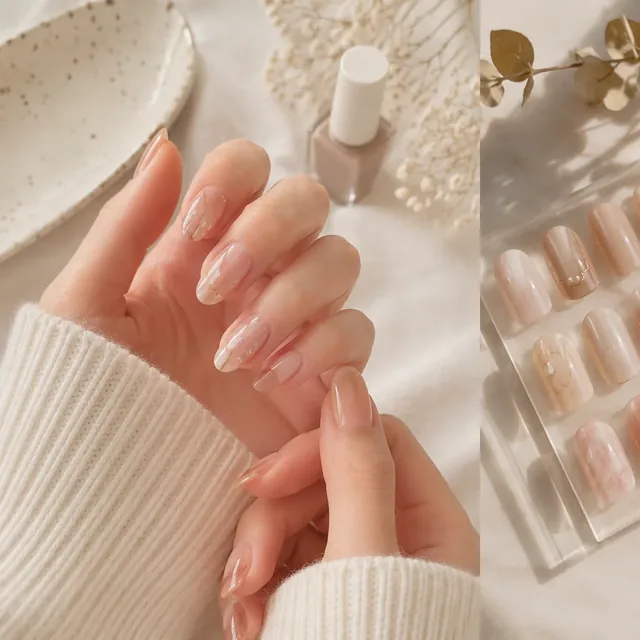
Comparison
| Russian | Regular | |
|---|---|---|
| Soak | None | Often |
| Tools | E-file, fine bits | Pusher, nippers |
| Time | 90 - 150 min | 45 - 70 min |
| Cost | $70 - 150 | $30 - 70 |
| Cuticle finish | Very close | A small margin |
| Skill required | High | Moderate |
| Reported wear | Often longer | Standard |
| Availability | Limited | Everywhere |
Which suits you
| Priority | Choose |
|---|---|
| Budget | Regular |
| Time | Regular |
| The cleanest possible finish | Russian |
| Stretching appointments | Russian |
| Easy availability | Regular |
| Sensitive skin or slow healing | Regular - less invasive |
| Diabetes or circulation conditions | Consult a doctor first |
A middle option
Some technicians offer a combination or dry manicure — e-file for the nail plate but hand tools near the eponychium. Shorter than a full Russian manicure, cleaner than a standard one, and lower risk.
Ask whether your salon offers it. For many people it is the right compromise, and it is often not on the printed menu.
Why the wear difference is not what it seems
People report Russian manicures lasting longer, and that is a real observation with a specific explanation that is worth understanding.
| Standard gel | Russian manicure | |
|---|---|---|
| Gap at the cuticle on day one | Small but present | Effectively none |
| Weeks until the gap is obvious | 2 - 3 | 4 - 5 |
| Actual gel durability | Same | Same |
The product is not more durable. The starting point is closer to the skin, so it takes longer for growth to become visible. That is a genuine benefit and it is a different claim from the gel lasting longer.
If you want to try it
- 1Ask about training and sterilisation before booking, not on the day.
- 2Book a combination manicure first if you are unsure.
- 3Say immediately if anything is painful.
- 4Look at your cuticles for a few days afterwards.
- 5Do not go back to a technician where it bled.
Why the skill gap matters more here
A mediocre standard manicure is disappointing. A mediocre Russian manicure carries more consequence, and that changes how you should choose a technician.
| Regular manicure | Russian manicure | |
|---|---|---|
| Worst realistic outcome of poor work | Uneven polish, early chipping | Cut tissue, infection risk |
| How visible poor technique is | Immediately | Sometimes only days later |
| Recovery from a bad appointment | Redo it | May need a doctor |
| How much training separates good from bad | Moderate | Considerable |
This is not an argument against the service. It is an argument for choosing the technician rather than the salon, and for asking about training rather than assuming it.
A year of each
| Pattern | Annual |
|---|---|
| Regular gel every 3 weeks at $50 | approx. $870 |
| Russian every 4 weeks at $110 | approx. $1,430 |
| Russian every 5 weeks at $110 | approx. $1,140 |
| Combination manicure every 3 - 4 weeks at $70 | approx. $910 - 1,210 |
The combination option often lands closest to a standard manicure on cost while delivering much of the finish, which is why it is worth asking about even when it is not advertised.
A sensible way to try it
If you are curious but unsure, there is a low-risk order to do this in that most people do not think of.
- 1Book a combination or dry manicure first where one is offered.
- 2Ask the technician about their Russian manicure training while you are in the chair.
- 3See how your cuticles look and feel over the following week.
- 4Book the full service with that technician if both went well.
- 5Stay with them — this is not a service to shop around on.
That sequence costs less than the full service, tells you what you need to know about the technician, and leaves you with a perfectly good manicure either way.
Availability is part of the decision
A standard manicure is available almost everywhere. This one is not, and that has practical consequences beyond convenience.
| Consideration | Effect |
|---|---|
| Fewer technicians offer it | Booking further ahead |
| Longer slots | Fewer appointment times available |
| You may travel further | Adds to the real cost |
| If your technician leaves | Harder to replace than a standard manicurist |
| On holiday or travelling | Unlikely to find an equivalent |
The fourth row catches people out. Building a routine around one technician is fine until they move, and with a specialised service the replacement search is genuinely harder.
Frequently asked questions
Q.Is a Russian manicure better?
Not universally. It is more precise and more expensive, and it requires more skill to do safely.
Q.Does a regular manicure last as long?
Wear is comparable. The visible cuticle gap appears sooner, which is what people notice.
Q.Is one safer?
A regular manicure is less invasive near living tissue, which is the main safety distinction.
Q.Can I try both?
Yes, and many people alternate. A combination manicure sits between them.
Q.What is a combination manicure?
E-file on the nail plate with hand tools near the skin — a middle ground that some salons offer.
Keep reading
What people read next after this page